
LR VISION is a school safety and student well-being initiative launched across the Little Rock School District in 2025. Funded by a $1.9 million grant from the U.S. Department of Justice, the program provides schools with essential tools, training, and strategies to foster safer, more supportive learning environments for every student. Learn more.
Blogs

Safety Planning for Students with Disabilities
Explore strategies that ensure students with disabilities are fully supported during emergencies and daily routines.
Read Now
Supporting New Teachers in Safety Protocols
Give new educators the confidence and clarity they need to navigate safety protocols with ease and consistency.
Read Now
Communicating Safety to Families
Empower families with the information they need to stay informed, engaged, and confident in school safety efforts.
Read Now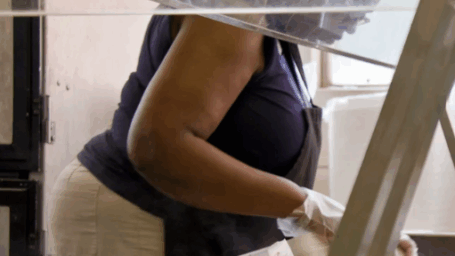
Emergency Preparedness for Support Staff
Prepare with confidence to respond effectively when every second counts
Read NowModules
Learn more about promoting school safety and student well-being through our self-paced modules. These modules are available for professional development credit.

Building a Culture of Safety
Discover practical strategies to create and maintain a school environment where students feel physically and emotionally safe.
Learn Now
Teen Court Training
Equip students with the skills and confidence to serve in Teen Court with a focus on fairness, accountability, and peer leadership.
Learn Now
Crisis Intervention in Schools
Explore real‑world approaches for calming tense situations and helping students regain control during difficult moments.
Learn Now
Traumatic Brain Injuries
Identify ways to recognize, respond to, and support students affected by traumatic brain injuries.
Learn Now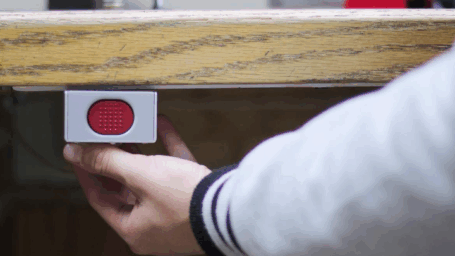
Innovative Technology in Emergency Response
Evaluate how technology can improve response times and outcomes during school emergencies.
Learn Now
Conflict Resolution
Facilitate student-centered conversations that encourage problem-solving and mutual understanding.
Learn Now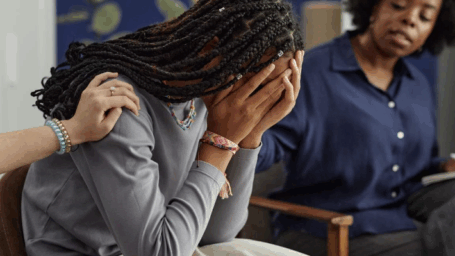
Implicit Bias and Microaggressions
Define implicit bias and microaggressions and understand their impact on students and school communities.
Learn NowMore Resources
Explore these resources to discover practical strategies and tools that can help create a safer school environment for everyone.
DOJ Statement
This Web site is funded in whole or in part through a grant from the Bureau of Justice Assistance, Office of Justice Programs, U.S. Department of Justice. Neither the U.S. Department of Justice nor any of its components operate, control, are responsible for, or necessarily endorse, this Web site (including, without limitation, its content, technical infrastructure, and policies, and any services or tools provided).