
Ask the Specialist: Let’s Talk About Sleep!
By: Angeletta Giles, BCBA, LBA, CBIS, DBH

Sleep-related disorders, including insomnia and sleep apnea, can impact up to 46% of individuals who are diagnosed with a TBI. If gone unnoticed or untreated, sleep-related disorders can result in increasing hospital stays, delays in progressing rehabilitation and more diagnosed disabilities.
Approaching treatment for sleep maintenance is a personal decision that should be made in partnership with you and your provider. From my experience, a polysomnogram or sleep study, a comprehensive test that monitors your body’s physiological changes during sleep, can be a great start to measuring your body’s connection to sleep. This test can also show how your body reacts to your sleeping patterns and the silent causes that can impact your overall health. Keeping a journal of your sleep patterns, including
naps, can help your provider understand if you are having trouble falling asleep or maintaining sleep throughout the night.
There are different treatment options to improve sleep. I have had the privilege of working with individuals who preferred medications as a form of treatment, those who preferred not to begin with medication or at least consider it as a last resort and those who considered therapy as an option. If you and your provider decide medication is appropriate, finding the proper medication for
you can take time. For some individuals, we tried different medications until we found the one that was best for the client. If you and your provider would like to consider therapy as a form of treatment, studies show that Cognitive Behavioral Therapy (CBT) can be an effective treatment for TBI patients. There is no hierarchy in treatment options, only what will work best to improve your
quality of life. Below are tips that can help improve sleep:
Healthy Sleep Habits
- Set a Bedtime: Go to bed and wake up at the same time every day, including weekends.
- Set a Routine: Do the same thing every night before bed, such as taking a warm bath, reading or being read to, or listening to soothing music.
- Set the Environment: Keep the room at a comfortable temperature, lighting and noise level.
- Eliminate Electronics: Turn off electronics before bed and replace them with relaxing activities, including meditation.
- Food: Avoid large meals before bed.
- Fluids: Reduce your fluid intake before bed, especially caffeinated drinks.
- Eliminate Naps
Consult with a health care provider before taking any over-the-counter medications or supplements.
Aoun et al., 2019; Center for Disease Control & Prevention (CDC); Li et al., 2021
Survivor Story: From Tumor to Triumph: Zach Chamness’s Fight Fueled by Faith and Family
As Told to Brandi Dawson

You never imagine anything could be wrong — your toddler is laughing, learning new words, chasing after his big brother — and then, in a single moment, everything changes.
For Jill and Steve Chamness, that moment came when their youngest son Zach was diagnosed with a brain tumor at just 23 months old. What followed was a whirlwind of hospital visits, surgeries and a long battle marked by resilience, fierce advocacy and unshakable family support. Today, as a vibrant teenager,
Zach’s story is one of survival, growth and inspiring advocacy — showing how one family turned a devastating diagnosis into an inspirational story of hope.
From a Mother’s Intuition to Action: Suspicious Gait to Tumor Removal
Zach had been unwell for several months before the diagnosis. Jill, Zach’s mom and a pediatric physical therapist, began noticing subtle changes that concerned her. She saw that Zach’s gait was off, particularly as he climbed into his toddler bed one night. This might be a sign many parents overlook, but one Jill knew needed further investigation. Jill recognized that Zach urgently needed an MRI, but Arkansas Children’s Hospital (ACH) couldn’t schedule
one for quite some time. He was then booked for an MRI at Baptist Health — only to be turned away because he was mistakenly registered as an adult. That’s when the first of many “God moments,” as Jill calls them, occurred. A nurse quickly called back, urging them to stay put. Moments later Baptist Health agreed to do Zach’s MRI as long as he was not sedated.
The next day, a second “God moment” took place. On November 5, 2013, while already at ACH for an unrelated febrile seizure evaluation, Jill received a call in the parking lot that would forever change their lives. The MRI revealed a mass on the right side of Zach’s cerebellum. By a stroke of perfect timing, it just happened to be tumor clinic day at ACH, and every neurosurgeon was already in the building.
There was one more critical step: neurology needed the imaging from Baptist Hospital. Steve and one of his North Little Rock police officer friends went to retrieve the imagining in person. The diagnosis: desmoplastic nodular medulloblastoma, a rare and aggressive pediatric brain cancer.
Like a lot of mothers, Jill first consulted “Dr. Google.” Jill read what no parent wants to know: survival rates were around 30-40%. Then, they met Robert Saylors, M.D., UAMS professor of pediatrics and Zach’s oncologist, who brought with him new findings. Pulling a folded article from his pocket, he shared the current research: thanks to new recently developed treatment protocols, survival rates for Zach’s tumor had jumped to nearly 90%. Hope and faith remained Jill’s compass.
Zach was admitted to ACH that night, had a second sedated MRI and the following morning he underwent a four-and-a-half-hour surgery to
remove the tumor. The surgery was a success! A week later, Zach went home.
Hope Even in the Hardest Moments
Zach’s story did not end with the tumor being removed. Shortly after, while recovering at home, Zach started screaming as he was going to bed. Steve scooped him up and rushed him to the hospital. One of Zach’s stitches had popped open. Cue the next “God moment.” Doctors debated on placing a shunt but decided against it. This would ultimately prove to be a miracle when a lumbar puncture revealed cancer cells in Zach’s cerebrospinal fluid. Medulloblastoma is more likely to metastasize outside of the brain and
spinal cord if a shunt is placed.
Dr. Saylors wanted to enroll Zach into a doubleblind clinical study. One group would receive typical cancer protocols. The other group would receive the same cancer protocols but add an additional medication, methotrexate, a chemo drug with serious side effects, including risk of death. Jill was terrified of Zach being part of the chemo treatment with the methotrexate. Steve
told her, “We don’t have a choice. We have to do it.”
Before enrollment, Zach underwent baseline tests. An echocardiogram to assess his heart could not be completed due to Zach’s distress; only 10 of
200 needed images were obtained. Dr. Saylors told them Zach could not join the study, but they would follow the protocol without methotrexate — a
decision Jill sees as another “God moment.”
Since Zach’s lumbar puncture revealed cancer cells in his cerebrospinal fluid, he would have to undergo a more aggressive form of treatment that would be grueling for anyone, especially a two-year old. Zach would need to undergo a
rigorous nine-month protocol that combined three rounds of standard
chemotherapy with three rounds of high-dose chemotherapy paired with stem cell transplants. The chemotherapy regiment included two drugs nicknamed “splat” due to the frequent vomiting they caused. A port was placed, and chemo began. Zach’s hospital stays lasted five to seven days with each round of chemo. Unfortunately, Zach and his family found the nickname “splat” to be accurate. One of the high-dose chemo drugs caused severe skin irritation, requiring bed baths three times days followed by Zach’s entire body being
covered with a protective lubricant.
Prior to beginning this aggressive chemo treatment, Zach’s stem cells were harvested. To prepare for stem cell transplants, in addition to the port he already had, a central line was placed to harvest his stem cells through centrifugation, after which the blood was returned to his body. Zach’s stem cells were exceptionally robust, setting records in the unit. However, the
treatment’s toll was immense: he required over 120 platelet transfusions and more than 100 blood transfusions.
Zach endured three rounds of stem cell transplants. The first two were tolerated, but the third brought on a painful case of mucositis, which typically causes sores from mouth to anus. Zach’s were confined to his mouth. This did not make the situation any easier. His vitals were checked every 15 minutes, he was on steroids that caused mood swings and he had to have his port sterilized weekly.
After all of the treatments, Zach’s health declined. He developed dangerously low oxygen levels, leading to multiple PICU admissions and eventually intubation. A bronchoscopy was performed. After, Zach remained on a ventilator for weeks requiring multiple IV lines and complex medication regimens, including heart meds and paralytics. Nutritional support was provided through total parenteral nutrition and feeding tubes. As complications with his kidneys arose, and Zach actually went into kidney failure, Jill could not do anything else. She had let her faith guide her through the “God moments,” and now she had to let that faith continue to be the
hope she placed her child in.

Family Strength and Community Support
The Chamness family’s faith and love was unwavering. Friends, family and the community showed up and showed out.
Community efforts rallied around the family, including a blood drive that collected 92 units — well above the typical turnout of 64. There were so many donors that they had to turn people away. At the same time, the church helped raise funds by selling “Just Keep Swimming” T-shirts inspired by Zach’s favorite movie, Finding Nemo. Jill recalls a particularly poignant moment from the film when the father Marlin says, “How do you know nothing bad is going to happen?” And his friend Dory replies, “I don’t.” Much like Dory, Jill did not know everything would be okay, but she knew she had to have that leap of faith and believe that it and Zach’s care team would take care of her child.
Kyle, Zach’s older brother, stayed connected through FaceTime, offering emotional support from home. Teachers from their church community supported Kyle, who was in school during Zach’s hospitalization. Many of these same teachers would go on to teach Zach when he started school.
Triumphs After Tumors and Treatment
By mid-2014, Zach was discharged. The Fourth of July holiday weekend marked a breakthrough when Zach, holding his feeding tube, declared, “I pull out.” At his next clinic visit, Zach had been eating so well, his doctors agreed it was time to remove the tube entirely.
Jill, relying on her physical therapy knowledge, taught Steve exercises to help Zach regain his strength and balance, and soon he was taking his first steps again.
Zach then completed 30 days of focal radiation therapy — two hour sessions each time, Monday through Friday with weekends off, targeting the exact site of his tumor.
Follow-up MRIs initially occurred every three months, then every six months and now annually. The family still sees Dr. Saylors, who is now the head of oncology at the children’s hospital in Northwest Arkansas. Zach refuses to
see anyone else. Dr. Saylors was more than an oncologist — he was a friend to Zach and family to his parents. Jill told the story of how each time Dr. Saylors visited, he played toy cars with Zach.
Learning to Advocate: The Chamness Family
“You are your child’s best advocate. You have to keep fighting for what they deserve.” – Jill Chamness
Faces Challenges with Schools and Insurance Companies Years passed and Zach grew. During treatment, Zach suffered severe high-frequency sensorineural hearing loss in both ears from chemotherapy, requiring hearing aids that improved his hearing from severe-profound to mild-moderate.
Zach started preschool around age three and went on to begin school like so many other kindergartners. However, Zach’s education required some advocacy from both him and his parents. Jill fought to ensure Zach had all
of the accommodations he required to address his acquired non-traumatic brain injury and hearing loss. She also taught Zach that he had to advocate for himself. One vice principal had been a part of the Chamness story from the beginning and even though 504 plans did not allow for Acquired Non-Traumatic Brain Injuries to be recognized as a condition, she put it on his
form anyway.
Jill says, “You are your child’s best advocate — you know them better than anyone. You have to keep fighting for what they deserve.”
Insurance battles were also a part of the journey. Initially, insurers denied coverage for stem cell transplants at Arkansas Children’s Hospital, demanding Zach receive treatment at centers hours away in Dallas or St. Louis. Jill
and Steve negotiated directly with the insurer, and with Dr. Saylors’ support, convinced them to approve treatment close to home, saving Zach the added trauma of extensive travel and separation from family.
A Vibrant Teen and Powerhouse Community Advocate
Zach has become a powerful advocate himself. He served as Arkansas Children’s Hospital Achiever (ARCHA) Ambassador, appeared on local TV station KTHV Channel 11 multiple times, and has spent a lot of time raising money to support the hospital. He traveled across the region, and his infectious spirit inspired generosity wherever he went.
Alongside Jill and Steve’s ongoing advocacy, the family has spoken at events to educate others, worked with schools to protect Zach’s rights to receive the appropriate services that allow for him to get the best education possible
and has supported other families navigating brain injury and cancer. Whenever another family comes along and needs advice or support, Jill and Steve are more than happy to speak with them.
Beyond the hospital and headlines, Zach is a joyful, active teenager. At the time of this interview, Zach enjoyed riding his bike, practicing to earn his yellow belt in jujitsu, starting to play the trumpet in his school band and riding roller coasters at Kings Island in Ohio. His dream trip of going to Disney World was even made possible.
He also runs his own YouTube channel, Zachman244, which Steve monitors, sharing glimpses of his life, hobbies and advocacy.

A Story of Faith, Family and Hope
Zach’s journey from diagnosis through treatment and recovery has been marked by remarkable “God moments” and a relentless will to overcome. Jill’s unwavering advocacy and Steve’s steady presence exemplify the power of
family in facing unimaginable challenges.
Together, the Chamness family’s story shines as a beacon for others, reminding us that while the path of pediatric brain injury and cancer is fraught with trials, it is also filled with hope, resilience and the unbreakable bonds of love.
Announcements
Promotions
The Brain Injury Program has some exciting news to share! We are thrilled to announce two well-deserved promotions within our team.
Amber Watson has been promoted to program manager. With her dedication, expertise and commitment to the TBI community and BIP program mission, we are confident she will continue to make a meaningful impact in this new
leadership role.
Gayla Caldwell has been promoted to project manager. Her hard work, passion and outstanding contributions have been invaluable, and we are excited to see her take on this new challenge.
Please join us in congratulating Amber and Gayla on their achievements! We look forward to the continued success of the Brain Injury Program with Amber and Gayla in their new positions!
Brain Waves is Going Digital!
We are thrilled to announce that Brainwaves is taking a bold step toward a more sustainable future! Beginning with the next issue, Brainwaves will be transitioning to an almost entirely digital format. This change reflects
the commitment of UAMS and the Institute for Digital Health & Innovation Brain Injury Program (BIP) to environmental responsibility and resource conservation. By reducing our reliance on printed copies, we can significantly cut down on paper use — helping to preserve trees and promote a greener planet.
However, sustainability isn’t just about the environment; it’s also about meeting the needs of our community. We understand that not everyone has access to digital devices, and we recognize that some of our readers simply prefer a printed edition. Your choice matters to us!
If you would like to continue to receive a printed copy of Brainwaves, you can email braininjury@uams.edu or call (501) 526-6576 and let us know.
Please be sure to include your name and mailing address so we can ensure we have the correct information.
Team Member Spotlight

I am Jonelle Tindall; I have been the administrative coordinator for the Brain Injury Program since October 2023. Applying for this position, I can honestly say I didn’t have a clue as to what to expect. But after being in the mix, I now see the purpose for it all. On the outside looking in you would probably never know the amount of people this program has helped. I have front row seats to this ongoing change and couldn’t imagine anything better!
One of the main things I enjoy outside of work is spending lots of time with my family. I have a 14-year-old son who enjoys sports, so I usually let that be our bonding time, whether it be watching him play football, basketball or running track. Secondly, I enjoy anything that allows me to be in a creative space such as painting, coloring or decorating.
Pediatric Committee
A Groundbreaking Addition to the Arkansas Brain Injury Council
By: Brandi Dawson
The Arkansas Brain Injury Council (ABIC) has an exciting new development
in its ongoing mission to support Arkansans affected by brain injury. The BIP is
thrilled to announce the formation of the ABIC Pediatric Brain Injury Committee — a dedicated initiative focused on addressing the unique challenges faced by children and adolescents in Arkansas with brain injuries. This newly established committee represents a significant step forward in advancing specialized care, resources and advocacy for young individuals impacted by brain trauma.
The committee is truly interdisciplinary, including professionals in the health care, education and justice systems. Each person shares their expertise and knowledge to identify gaps in the care of children who have survived a brain injury in Arkansas. Once gaps are identified, they are shared with the Arkansas Brain Injury Council for consideration in the strategic plan for the state.
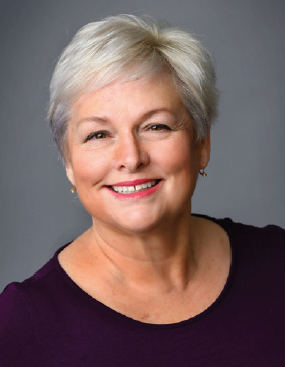

Sheila Beck, MSPT, CBIST, clinic operations coordinator with the BIP, and Becky
Watkins-Bregy, BSN, RN, CPN, CBIS, Neuroscience Service Line community
outreach coordinator with Arkansas Children’s Hospital (ACH), are committee
co-chairs and shared its mission statement with us.
Mission Statement: The mission of ABIC Pediatric Brain Injury Committee
is to collectively work with the various stakeholders throughout our state, who
have a personal/professional stake in children with brain injuries and their
caregivers, by working collaboratively to identify gaps, improving processes and outcomes for those we serve.
Through collaboration, education and policy initiatives, the ABIC Pediatric Brain Injury Committee underscores its commitment to fostering innovation and expanding services to meet the evolving needs of the brain injury community. The committee’s efforts in developing policies, raising awareness and advocating for resources will help ensure that children with brain injuries receive the support they need to grow into adults who are better equipped to lead healthy, fulfilling lives. To quote Becky Watkins-Bregy, BSN, RN, “ACH’s children of today are UAMS’s adults of tomorrow.”
Thank you to all of the individuals who are a part of this committee!